
How IPTV Services Work
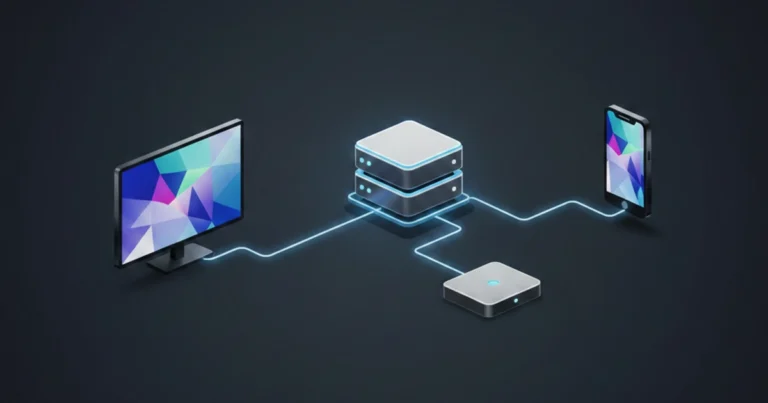
IPTV services deliver television content through internet-based systems rather than traditional broadcast infrastructure. Instead of using satellite or cable transmission, programming is distributed digitally and accessed through compatible applications on modern devices.
Understanding how IPTV services work helps clarify how live channels, on-demand libraries, and scheduled broadcasts are organized within a single system.
How IPTV Content Is Delivered
IPTV services operate using centralized content management systems that organize live channels and video-on-demand libraries. When a user selects a channel or program, the system retrieves the requested content and delivers it in real time through an internet connection.
Unlike traditional broadcasting, where all viewers receive the same signal simultaneously, IPTV systems deliver content individually based on user selection. This allows flexible access to both scheduled programming and on-demand media.
What Supports Service Stability
Stable IPTV performance depends on structured content distribution and efficient server routing. Content is managed across delivery networks designed to handle demand during peak viewing periods, including live sports or high-traffic events. When properly configured, users can switch between channels or access media libraries without noticeable interruptions. Stability is influenced by infrastructure design, app optimization, and the quality of the user’s local connection.
Access Across Multiple Devices
IPTV services are designed to function across a range of platforms, including Smart TVs, streaming devices, mobile phones, tablets, and computers. Once access credentials are configured inside a compatible player application, the same account can be used across supported devices.
Device compatibility depends on using the correct login format, such as M3U playlists or account-based credentials. To better understand how setup differs between streaming devices, Smart TVs, and mobile platforms, see our guide on IPTV setup across popular devices.
Live Channels and On-Demand Libraries
A key difference between IPTV and traditional television systems is the integration of live channels with on-demand content. Live programming follows scheduled broadcasts, while on-demand libraries allow users to select movies or shows at any time.
This structure combines real-time viewing with flexible access, providing a unified way to browse and consume content.
IPTV services function through structured digital delivery systems designed to manage content efficiently and make it accessible across devices. Understanding these core principles helps explain how IPTV fits within today’s modern television landscape.