
How IPTV Channels and Content Are Organized
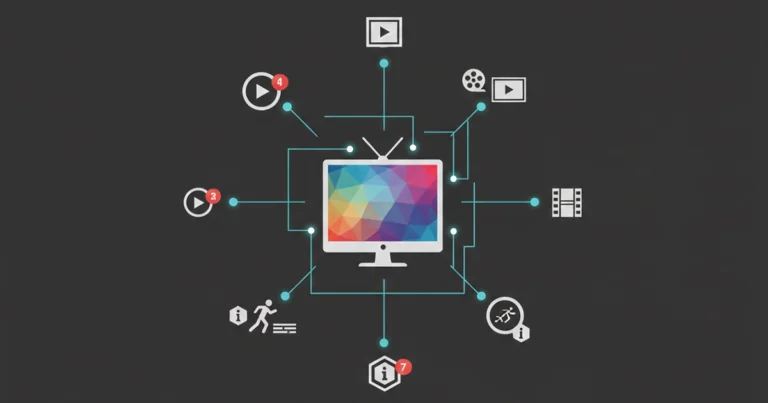
IPTV channels and content are presented through structured digital systems rather than fixed broadcast schedules. Instead of relying on traditional programming grids, IPTV platforms organize live feeds, on-demand libraries, and scheduling data within a unified interface. Understanding how IPTV channels and content are organized helps explain how users browse categories, locate programs, and navigate large content libraries efficiently.
How IPTV Channel Lists Are Structured
IPTV channel lists are grouped using centralized management systems that categorize live feeds by genre, region, language, or content type. This structured grouping allows channels to appear consistently across devices while enabling updates to be applied centrally without requiring manual changes from users. Categories such as sports, entertainment, news, and international programming are commonly used to simplify navigation.
Managing On-Demand Content Libraries
On-demand movies and series are maintained separately from live channels within IPTV systems. These libraries are organized using metadata such as title, release year, genre, and artwork. This separation allows platforms to update films and series independently from live programming, keeping content structured and searchable without affecting channel listings.
Program Guides and Navigation Systems
Electronic Program Guides (EPG) provide scheduling information for live IPTV channels. The guide aligns channel listings with real-time broadcast data, allowing users to view what is currently playing and what is scheduled next. Well-maintained navigation systems improve usability by connecting channel categories, search functions, and scheduling information within a single interface.
Why IPTV Content Changes Over Time
Channel availability and on-demand libraries may change due to updates in source feeds, scheduling adjustments, or system maintenance. These changes are part of how IPTV platforms manage large volumes of content while maintaining structured organization across devices and viewing environments.
IPTV channels and content rely on structured organization systems that separate live programming, libraries, and scheduling data into clearly defined categories. By understanding this structure, users can navigate programming more efficiently and interpret how digital television environments are arranged.